

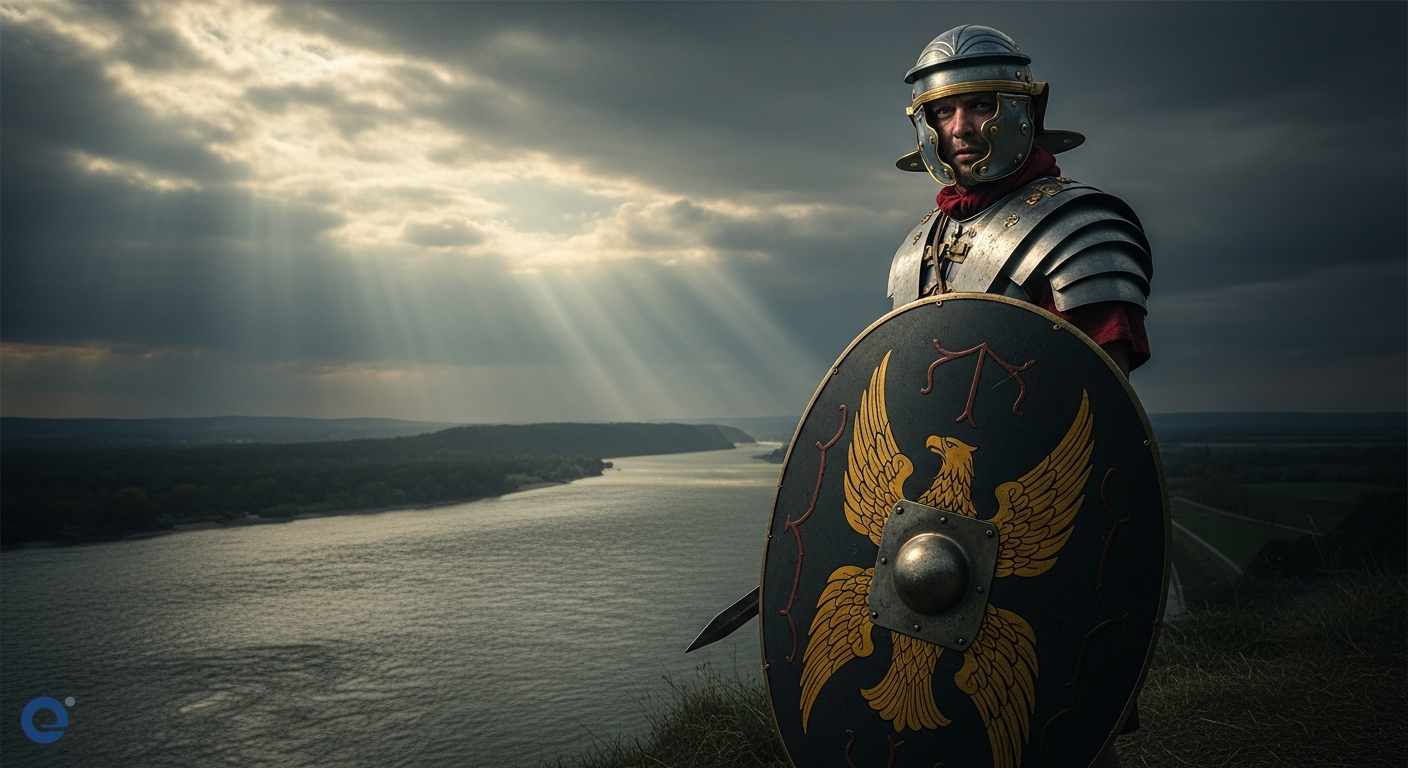
The Rhine Watch. This phrase evokes images of ancient sentinels, steadfast and unyielding. It speaks of a specific duty, a vital frontier. But what exactly does “The Rhine Watch” refer to, and how does it connect to the concept of a “Stoic Legion”? This article delves into these questions, exploring the historical context, the philosophical underpinnings, and the enduring legacy of such a vigilant presence.
Understanding the Rhine Frontier
Firstly, let’s clarify “The Rhine Watch.” This term primarily refers to the Roman military presence along the Rhine River. The Rhine served as a crucial border for the Roman Empire. It separated the Roman provinces from the Germanic tribes to the east. Therefore, maintaining a strong defense along this river was paramount for imperial security. Roman legions were stationed here for centuries. Their duty was to patrol the frontier, deter incursions, and maintain order.
The Role of the Legions
These legions were not just soldiers; they were engineers, builders, and administrators. They constructed forts, roads, and fortifications. These structures were essential for communication and defense. The Rhine frontier was a dynamic zone. There were periods of intense conflict and relative peace. The soldiers stationed there faced constant challenges. They had to be adaptable and resilient. Their vigilance was key to the empire’s stability in the region.
The Stoic Connection
Now, how does “Stoic Legion” fit into this picture? Stoicism is a school of philosophy that emphasizes virtue, reason, and resilience. Stoics believe in living in accordance with nature and accepting what cannot be controlled. They cultivate inner strength and emotional fortitude. Therefore, a “Stoic Legion” would be one that embodies these principles.
Virtue and Duty
For Roman soldiers, particularly those on a demanding frontier like the Rhine, Stoic ideals would have been highly relevant. The philosophy encourages a focus on duty and what is within one’s control. This means performing one’s assigned tasks with diligence and integrity, regardless of external circumstances. For a legionary, this would translate to unwavering commitment to their post, their comrades, and the empire. They would strive for excellence in their training and their service.
Resilience in Adversity
Moreover, Stoicism teaches acceptance of hardship and adversity. Life on the frontier was often harsh. Soldiers faced difficult weather, constant vigilance, and the ever-present threat of combat. A Stoic mindset would have helped them endure these challenges. They would learn to manage their emotions and maintain their composure under pressure. This mental fortitude was as important as physical strength.
The concept of a “Stoic Legion” highlights the ideal Roman soldier. This soldier prioritizes duty, virtue, and rational thought. They are not easily swayed by fear or desire. Instead, they act with disciplined resolve. This philosophical outlook would have been particularly valuable for units tasked with long-term, often monotonous, but critical defensive duties, such as those on the Rhine Watch.
Historical Echoes and Modern Interpretations
While “The Rhine Watch” specifically refers to Roman military operations, the idea of a dedicated, resilient force guarding a vital boundary resonates through history. The U.S. Army’s 3rd Infantry Division, for example, has a history that includes operations and traditions that echo this sense of enduring vigilance. Their historical records and newsletters, such as the “Watch on the Rhine Newsletter,” indicate a continuous connection to their heritage and mission. The 3rd Infantry Division’s legacy is rich with stories of soldiers who exemplified dedication and resilience.
The “Eagle” and its Significance
The symbolism of military units is also crucial. In Roman times, the Eagle standard (Aquila) was a potent symbol of the legion’s honor and identity. Losing it was a profound disgrace. The pursuit of such a symbol, as depicted in films like “The Eagle” (2011), underscores the deep importance placed on legionary honor and the recovery of lost emblems. This pursuit often involved perilous journeys and facing unknown dangers, requiring immense courage and a stoic resolve. The film itself portrays a young Roman soldier seeking to honor his father’s memory by finding his lost legion’s golden emblem in Roman-ruled Britain. The Eagle (2011) on IMDb offers a cinematic glimpse into such valor.
The Philosophical Foundation of Stoicism
To truly grasp the “Stoic Legion” concept, a deeper look at Stoicism itself is beneficial. Founded in Athens by Zeno of Citium in the early 3rd century BC, Stoicism teaches that virtue is the only good. External things like wealth, health, or reputation are indifferent. What matters is our judgment and our actions. This philosophy was adopted by many prominent Romans, including Seneca, Epictetus, and Emperor Marcus Aurelius.
Key Stoic Principles
Here are some core tenets of Stoicism:
- Virtue is the sole good: Wisdom, justice, courage, and temperance are the only things truly valuable.
- Live in accordance with nature: This means understanding and accepting the rational order of the universe.
- Control what you can, accept what you cannot: Focus your energy on your thoughts and actions, not on external events.
- Indifference to externals: Health, wealth, and status are not inherently good or bad; they are indifferent.
- Duty and social responsibility: Stoics believed in their obligations to society and humanity.
These principles naturally lend themselves to a military context. A soldier trained in Stoic thought would be more disciplined, less prone to panic, and more focused on fulfilling their duties. They would understand that their own virtue and actions are what truly define them, not the outcome of a battle.
The Value of Ancient Currency
While not directly related to the Rhine Watch or Stoic Legions in a military sense, the concept of ancient monetary values is sometimes explored in historical contexts. Understanding the value of ancient currency, such as drachmae, in modern terms can offer a tangible connection to the past. For instance, tools exist to convert ancient monetary units into United States dollars, providing a fascinating perspective on historical economies. The value of ancient currency can be a complex but rewarding area of study.
The Rhine Watch in Practice
The Rhine Watch was more than just a symbolic border. It was a heavily militarized zone. Roman legions were deployed in a network of forts and camps. These extended along the river, from its upper reaches to its mouth at the North Sea. The soldiers stationed there were constantly engaged in patrols, reconnaissance, and skirmishes with Germanic tribes. Their daily lives were structured around military discipline and the readiness for action.
Daily Life of a Legionary
Life for a legionary on the Rhine was demanding. It involved rigorous training, guard duty, and maintenance of equipment and fortifications. Soldiers also engaged in various trades and crafts to support the legion’s needs. While the philosophical ideals of Stoicism might seem lofty, the practical application of discipline, resilience, and duty was essential for survival and success on this frontier. They had to be prepared for anything.
Enduring Legacy and Modern Relevance
The concept of the Rhine Watch and the Stoic Legion offers a powerful metaphor. It speaks to the importance of vigilance, duty, and inner strength. In a world that is constantly changing, these qualities remain timeless. Whether applied to military service, personal challenges, or professional endeavors, the principles of steadfastness and resilience are invaluable.
Guardians of the Frontier
The soldiers who stood watch on the Rhine were guardians of a vast empire. They faced the unknown with courage and discipline. Their commitment to duty, perhaps influenced by Stoic philosophy, ensured the security of Roman territories for generations. This historical example continues to inspire us to consider the importance of our own responsibilities and the strength we can find within ourselves.
The legacy of these ancient sentinels reminds us that true strength often lies not in aggression, but in unwavering vigilance and the quiet determination to uphold one’s duties, no matter the cost. This echoes the enduring wisdom found in philosophies like Stoicism, which have guided individuals through centuries of change and challenge.
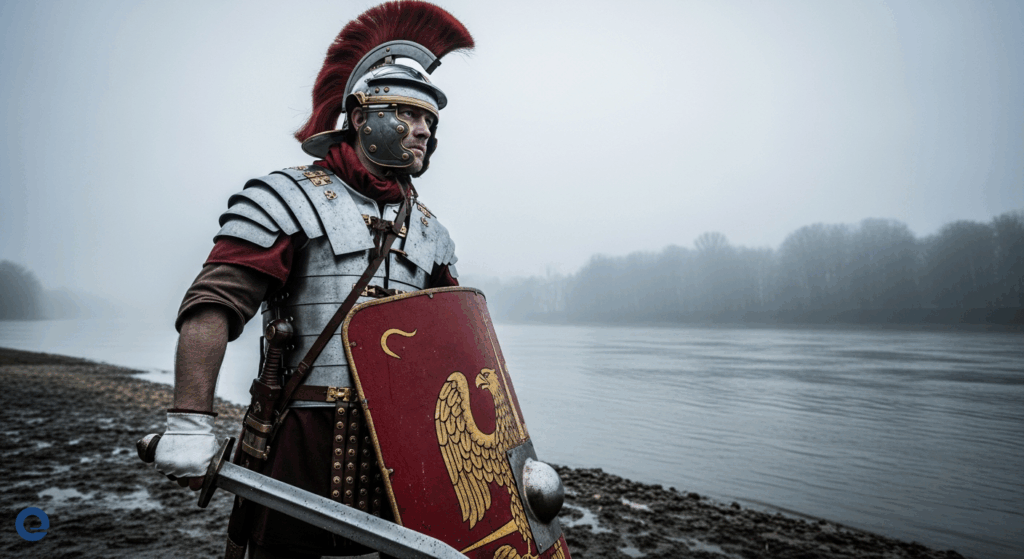
Frequently Asked Questions
What was the primary purpose of the Rhine Watch?
The primary purpose of the Rhine Watch was to defend the Roman Empire’s border along the Rhine River, preventing incursions from Germanic tribes and maintaining control over the frontier.
How did Stoicism influence Roman soldiers?
Stoicism encouraged virtues like discipline, resilience, reason, and acceptance of hardship. For soldiers, this meant focusing on duty, enduring difficult conditions, and maintaining composure under pressure.
Was “The Rhine Watch” a specific military unit?
“The Rhine Watch” was not a single specific unit but rather a designation for the collective Roman military presence and its defensive operations along the Rhine frontier. Various legions and auxiliary units served in this capacity over time.
What is the modern equivalent of the Rhine Watch?
While there’s no direct modern equivalent, the concept of border security and the dedication of soldiers to protect national boundaries are enduring themes. Modern military operations often involve similar principles of vigilance and defense.
How can one learn more about Roman legions?
You can learn more about Roman legions through historical texts, archaeological findings, and academic studies. Films and documentaries also offer visual representations, though historical accuracy can vary. For those interested in historical narratives, exploring ancient Chinese dynasties can also provide fascinating insights into military organization and societal structures, such as those discussed in The Mandate of Dusk: Zhou Dynasty’s Legacy.
Tóm tắt: A live action documentary on the journey of Roman auxiliaries beyond the Rhine frontier! Claim your SPECIAL OFFER for ……