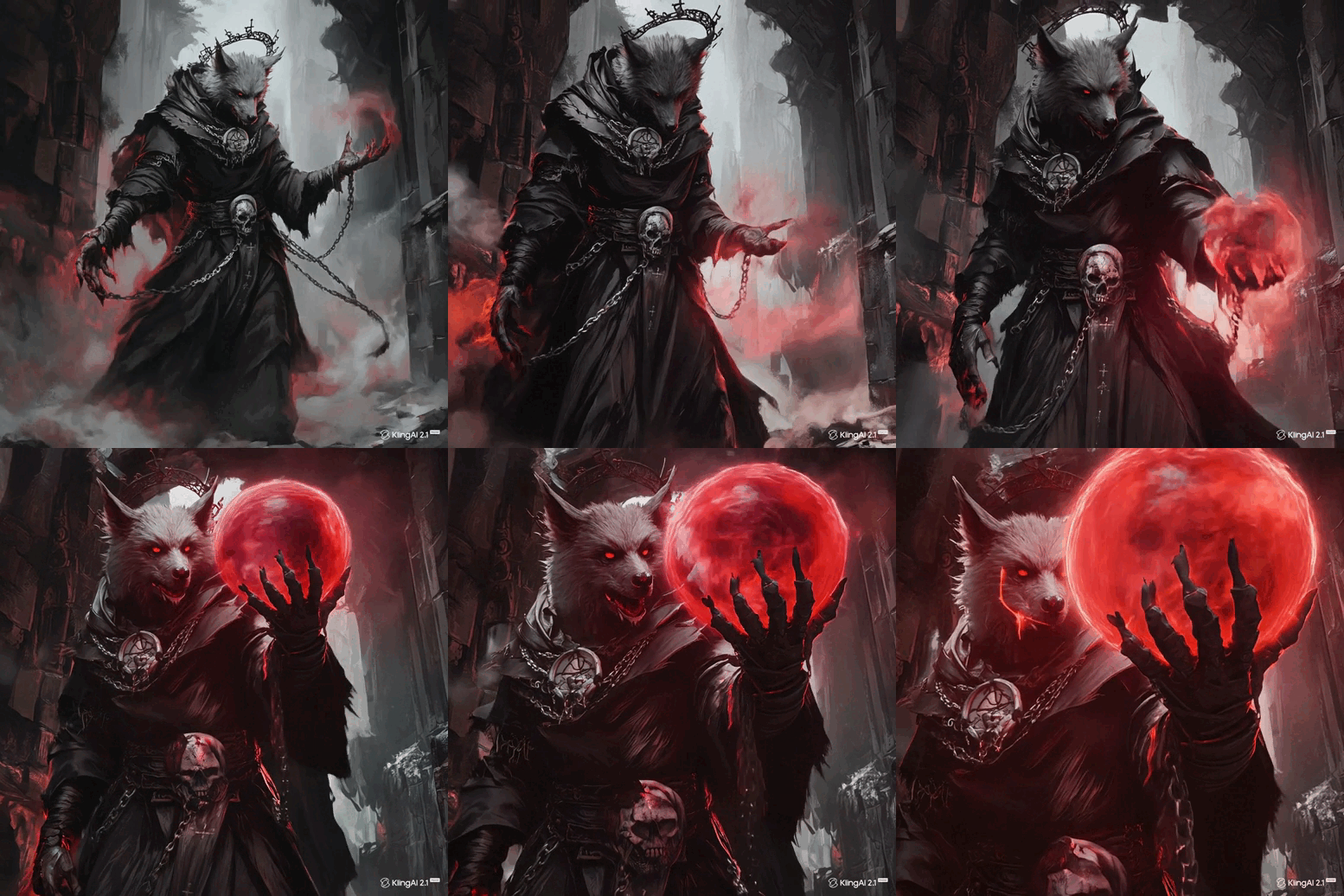

The Imperium of Man is vast. Its Emperor is its figurehead. But a puzzling paradox exists. The Emperor forbade worship. Yet, his followers venerate him. This is the core of the Silent Emperor’s Edict. It’s a divine command, or is it something more? Let’s explore this fascinating contradiction.
The Emperor’s Own Words
The Emperor’s prohibition against divine worship is clear. He explicitly stated his wish to be revered as a leader, not a god. This was a foundational principle. It was meant to guide humanity’s future. However, the Imperium evolved. Times changed. The interpretation of his edict also shifted.
Rationalizing the Unthinkable
How does the Ecclesiarchy, the church of the Imperium, reconcile this? They explain it through a lens of necessity. The galaxy is a dangerous place. Hope is a scarce commodity. The Emperor’s image provides that hope. It rallies billions. It fuels their fight against countless horrors.
Therefore, the Ecclesiarchy argues that worship became essential. It’s a pragmatic adaptation. It serves the Imperium’s survival. The initial edict is reinterpreted. It’s seen as a plea for a united humanity. Worship, in their view, achieves this unity. It binds people together in shared faith.
This rationalization is key. It allows the Imperium to function. It provides a spiritual anchor. It does so while ostensibly honoring the Emperor’s original intent. It’s a delicate balance. It’s a testament to faith’s adaptability.
The Golden Throne and the Silence
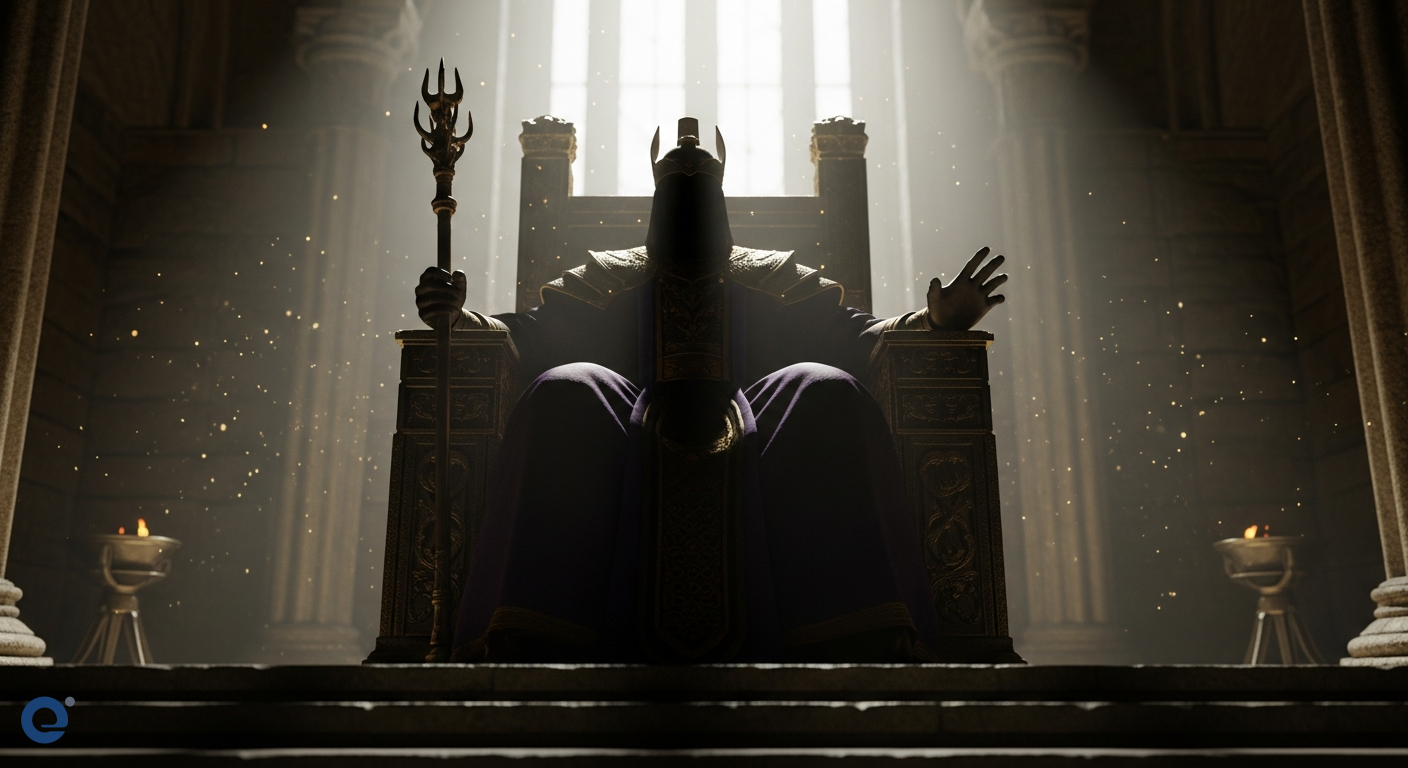
The Emperor now sits on the Golden Throne. He is a psychic beacon. He is also a decaying corpse. His silence is profound. This silence is interpreted in many ways. Some see it as continued wisdom. Others see it as a divine penance. Still others believe he is actively guiding them.
This silence amplifies the mystery. It allows for fervent belief. It leaves room for interpretation. The lack of direct communication is potent. It lets faith fill the void. This is especially true for those far from Terra.
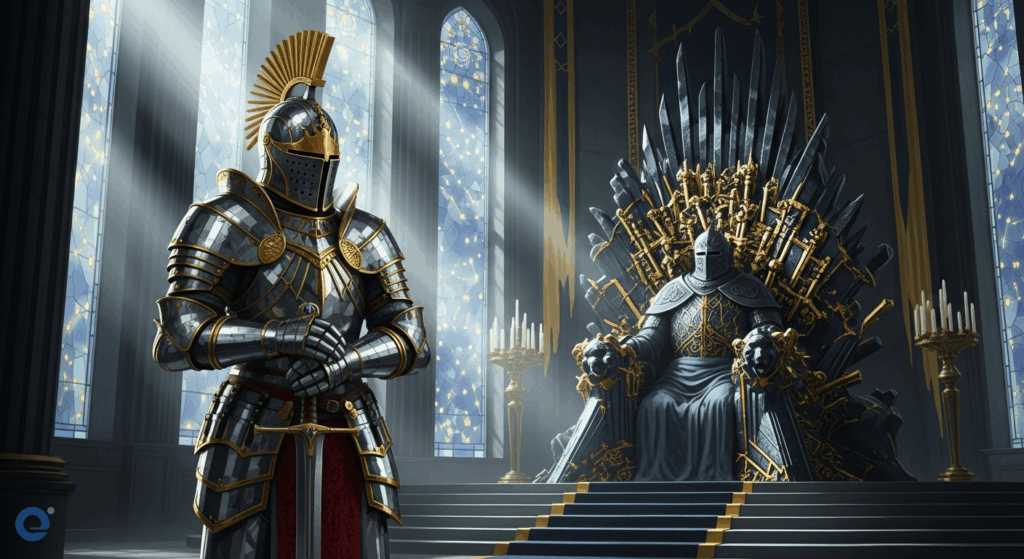
The Adeptus Custodes, the Emperor’s personal guard, are bound to Terra. They are watchers over the Golden Throne. Their duty is to protect the Master of Mankind. This includes guarding his legacy and his physical form. However, they are bound by ancient edicts. These edicts often tie them to the Throneworld itself. This creates internal conflict. It limits their direct intervention in galactic affairs.
The Sisters of Silence
Alongside the Custodes, the Sisters of Silence play a crucial role. These are the Null-maidens. They are anathema to psykers and sorcerers. Their psychic nullification is a powerful weapon. They are essential for protecting the Golden Throne. They are a unique force. Their very existence is a testament to the Emperor’s foresight.
The book “The Emperor’s Legion” by Chris Wraight highlights this. It explores the Custodes and Sisters of Silence. It shows them facing immense threats. These threats push them to their limits. The narrative often revolves around Senator Tieron. He tries to convince the Lord of Terra. He wants to release the Custodes. He believes they are needed on the front lines.
However, they are bound by ancient edicts. This binding is a significant plot point. It creates tension. It questions the Emperor’s original intentions. Were these edicts meant to be permanent? Or were they for a specific time?
Edicts and Their Interpretations
An edict, by definition, is a command. It is a formal decree. The Emperor’s edict against worship is a prime example. However, edicts can be interpreted. They can be twisted. They can be adapted to new circumstances.
Consider Senator Tieron’s efforts. He wants to break the edict. He wants the Custodes to fight on the front lines. This shows a conflict. It pits a literal interpretation against a perceived need. The political landscape of the Imperium is complex. Tieron navigates this game. He seeks allies to sway decisions.
The Silent Sisterhood, as depicted in “The Emperor’s Legion,” faces a similar struggle. They are recalled to Terra. They join the fight against daemonic threats. Their history is one of being forgotten. They are used only when needed. This poor treatment shapes their perspective. It makes characters like Aleya abrasive and confrontational.
The Weight of Vows
Valerian, a member of the Emperor’s Custodian Guard, embodies stoicism. He is dedicated to his vows. Initially, his role seems passive. He is chained to Terra. Yet, as the plot unfolds, his importance becomes clear. His adherence to duty is absolute.
These internal struggles highlight the nature of obedience. Is it blind adherence? Or is it a reasoned response to a higher purpose? The Emperor’s Edict is a source of both. It inspires devotion. It also creates limitations.
The Ecclesiarchy’s Defense
The Ecclesiarchy’s justification for deifying the Emperor is multi-faceted. Firstly, they argue that the Emperor’s sacrifice demands it. He is the Master of Mankind. He saved humanity from extinction. This immense act of salvation merits divine recognition.
Secondly, they emphasize the Emperor’s psychic might. He is a being of immense power. His mind is a beacon. This power, they claim, transcends mortal understanding. It borders on the divine. Therefore, treating him as more than mortal is natural.
Thirdly, the practicalities of ruling an Imperium cannot be ignored. Billions of souls need guidance. They need a focal point for their faith and loyalty. The Emperor, as a divine figure, provides this. Without such a figure, the Imperium might fracture. It might collapse under its own weight.
Finally, they point to the Emperor’s own actions. While he forbade worship of himself, he did not forbid faith. He embraced certain spiritual elements. He used psychic powers. He championed humanity’s destiny. These actions, they argue, leave room for a broader interpretation of divinity.
This is a complex theological argument. It seeks to bridge the gap. It connects the Emperor’s stated wishes with the Imperium’s lived reality. The concept of divine edicts echoes through history. For instance, the Sacred Edict of the Kangxi Emperor aimed to guide moral conduct through pronouncements.
The Paradox of Power and Silence
The Emperor’s Edict is a paradox. It is a command for humanity to stand on its own. It is also a silent plea for guidance. The Imperium’s current state is a testament to this. Billions worship a being who forbade it.
The rationale provided by the Ecclesiarchy is a form of damage control. It’s also a genuine belief for many. They see the Emperor as a god. They see his prohibition as a test. Or perhaps, they see it as a message for a different time. A time before the Great Heresy. A time before the Imperium was plunged into unending war.
The Adeptus Custodes and Sisters of Silence represent a different facet. They are the Emperor’s direct servants. They understand his will more intimately. Their adherence to his original commands, even when inconvenient, is noteworthy. Their existence is a constant reminder of his presence, even in silence.
The book “The Emperor’s Legion” offers a glimpse into this. It shows the strain on these forces. It demonstrates the political machinations. Senator Tieron’s desire to unleash the Custodes shows a pragmatic view. He sees the immediate threat. He questions the rigid adherence to ancient rules.
This tension between adherence and adaptation is central. It defines much of the Imperium’s character. The Silent Emperor’s Edict, therefore, is not just a historical decree. It is a living, breathing paradox. It fuels faith. It dictates duty. It shapes the destiny of billions.
Frequently Asked Questions
Why did the Emperor forbid worship?
The Emperor believed humanity should stand on its own. He saw worship of him as a crutch. It would hinder their development. It would lead to stagnation. He wanted humans to be self-reliant and rational.
How does the Ecclesiarchy justify worship now?
The Ecclesiarchy argues that worship became necessary for survival. The Imperium faces constant threats. The Emperor’s divine image provides hope and unity. They believe it is a pragmatic adaptation of his original intent.
What is the role of the Adeptus Custodes and Sisters of Silence?
The Adeptus Custodes are the Emperor’s praetorian guard. They protect Terra and the Golden Throne. The Sisters of Silence are psychic nulls. They combat psykers and daemons. Both are bound by ancient edicts, often restricting their actions.
Is the Emperor’s Edict still relevant?
Yes, the Edict remains a foundational concept. However, its interpretation has evolved significantly. The Ecclesiarchy’s actions demonstrate a shift. They prioritize unity and survival over the literal command.
What does the Golden Throne represent?
The Golden Throne is where the Emperor sits in stasis. It is a psychic beacon. It sustains his life force. It also serves as a focal point for the Imperium’s faith and reverence.