

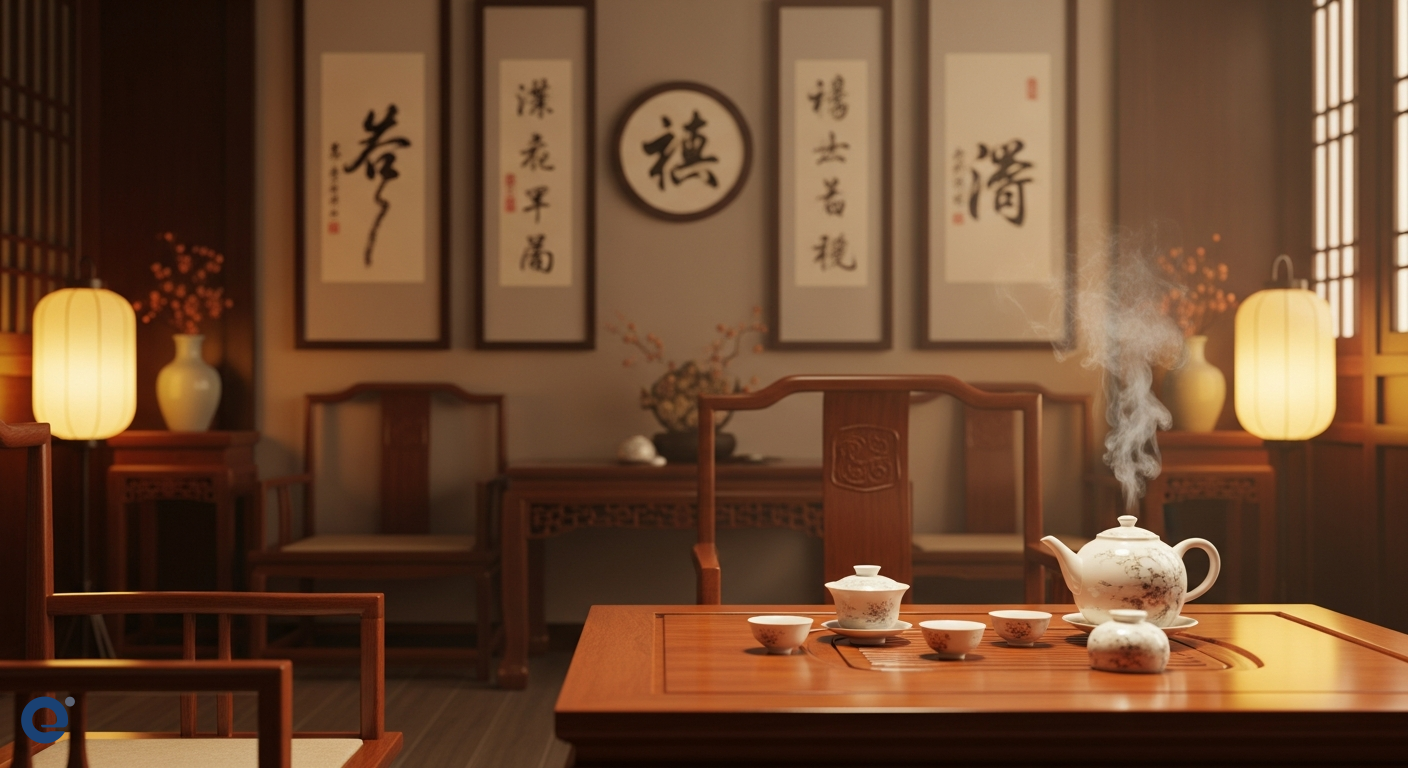
Step back in time and immerse yourself in the evocative world of ancient China. The “Tea House of the Three Kingdoms (Han’s Afterglow)” invites you on a journey. It’s a place where history whispers through delicate porcelain cups. It’s also where legends of heroes and scholars come alive. This experience blends the tranquility of a traditional tea ceremony with the rich tapestry of the Three Kingdoms period. Therefore, it offers a unique cultural escape.
Discovering Hidden Spaces: A Thematic Exploration
Sometimes, the most profound experiences are found in unexpected corners. Much like discovering “special little places” off the beaten path in European cities, the concept of the “Han’s Afterglow” tea house resonates with a similar charm. These hidden gems, whether they are closes in Edinburgh or quaint courts in Salem, offer a sense of stepping into another time. They provide a quiet refuge from the bustling present. The “Tea House of the Three Kingdoms (Han’s Afterglow)” aims to be such a place. It seeks to transport patrons to an era of strategic brilliance and profound philosophical thought.
The Allure of the Three Kingdoms Era
The Three Kingdoms period (220-280 AD) is a cornerstone of Chinese history and culture. It was a time of intense conflict and political upheaval. Yet, it was also a period of great intellectual and artistic flourishing. This era is immortalized in literature and art, particularly in the epic novel “Romance of the Three Kingdoms.” This novel details the lives and struggles of legendary figures like Liu Bei, Cao Cao, and Sun Quan. The tea house draws inspiration from this rich historical context. It seeks to capture the spirit of that time.
The name “Han’s Afterglow” itself evokes a sense of fading grandeur. It refers to the twilight of the Han Dynasty, which preceded the Three Kingdoms period. This name suggests a time of transition and lingering influence. It hints at the echoes of past glory shaping the present. Therefore, the tea house aims to be a space that honors this historical legacy.
The Tea House Experience: More Than Just a Drink
Visiting the “Tea House of the Three Kingdoms (Han’s Afterglow)” is designed to be a multi-sensory experience. It goes far beyond simply enjoying a cup of tea. The ambiance is carefully curated to reflect the aesthetics of the Han Dynasty and the Three Kingdoms period. Imagine entering a space adorned with traditional Chinese art. Picture intricate calligraphy scrolls adorning the walls. Furthermore, think of the gentle melodies of ancient Chinese music playing softly in the background.
Curated Tea Selections
The heart of any tea house is its tea, and this establishment offers a thoughtfully selected range. The focus is on teas that were popular or significant during the Han Dynasty and the Three Kingdoms era. This might include varieties like:
- Green teas, known for their refreshing qualities.
- Oolong teas, offering a complex flavor profile.
- Pu-erh teas, celebrated for their earthy notes and aging potential.
Each tea is served with attention to detail. This includes using traditional ceramic ware and following precise brewing methods. For instance, the delicate art of brewing green tea requires careful temperature control to avoid bitterness.
Atmosphere and Ambiance
The interior design plays a crucial role in creating the immersive experience. Expect to find elements such as:
- Wooden furniture with classic Chinese carvings.
- Subtle lighting to create a warm and inviting glow.
- Perhaps even decorative elements reminiscent of ancient scholars’ studies.
These details work in harmony to transport guests. They offer a serene escape from the modern world. It’s akin to finding a quiet courtyard in a bustling city, offering a moment of peace and reflection.

Connecting with History Through Culture
The “Tea House of the Three Kingdoms (Han’s Afterglow)” serves as a cultural bridge. It connects contemporary audiences with a pivotal period in Chinese history. By engaging with the traditions and aesthetics of that era, visitors can gain a deeper appreciation for its significance. This is much like how certain architectural styles preserve the past, offering tangible links to bygone eras. For example, the narrow closes and courts of Edinburgh offer a glimpse into the city’s historical layout and character .
Educational and Engaging Elements
Beyond the tea and ambiance, the tea house might incorporate educational elements. This could involve:
- Displaying historical information about the Three Kingdoms period.
- Featuring books or art inspired by the era.
- Perhaps even hosting occasional talks or cultural events related to Chinese history or literature.
These initiatives aim to enrich the visitor’s understanding and appreciation. They turn a simple visit into a more meaningful cultural experience.
The “Afterglow” in Other Contexts
The term “afterglow” itself carries a poetic resonance. It suggests a lingering beauty or influence after a primary event has passed. In nature, it might refer to the soft light remaining after sunset. In the context of succulents, “Afterglow” is the name of a specific Echeveria cultivar, known for its beautiful rosettes. These plants, when given sufficient heat and water, can grow quite rapidly, forming stunning displays. This concept of lingering beauty or impact is mirrored in the tea house’s theme.
Literary and Fictional Echoes
The “Three Kingdoms” narrative has inspired countless works of art and literature. While “Han’s Afterglow” focuses on the historical period, the broader theme of enduring legacies connects to various creative endeavors. For instance, fanfiction often explores alternate continuations or deeper dives into beloved fictional worlds. One such example might be exploring the characters and events of the Three Kingdoms in a different light.
Tóm tắt: Get Total War: Three Kingdoms today! Buying the game through our link will help support our channel: ……
Planning Your Visit
For those seeking a unique cultural experience, the “Tea House of the Three Kingdoms (Han’s Afterglow)” offers a compelling destination. It’s a place to unwind, reflect, and connect with a rich historical narrative. Consider visiting during quieter hours for a more intimate experience. The tea house provides a tranquil retreat, much like exploring the quiet lanes of a historic city.
Location and Hours
Information regarding the tea house’s specific location and operating hours would typically be found on its official website or local directories. It is always advisable to check these details before planning a visit. This ensures a smooth and enjoyable experience for all patrons.
Frequently Asked Questions
What is the Three Kingdoms period?
The Three Kingdoms period was a tumultuous era in Chinese history, from 220 to 280 AD. It followed the fall of the Han Dynasty. Three rival states – Wei, Shu, and Wu – vied for control of China. This period is famous for its legendary battles and influential figures.
What does “Han’s Afterglow” signify?
“Han’s Afterglow” refers to the period immediately following the decline of the Han Dynasty. It signifies the lingering influence and legacy of this once-great empire as the Three Kingdoms era began. It evokes a sense of transition and the echoes of past glory.
What kind of teas can I expect?
The tea house likely specializes in teas popular during the Han Dynasty and Three Kingdoms periods. This could include green teas, oolong teas, and Pu-erh teas, all served with traditional care and preparation methods.
Is the tea house suitable for history enthusiasts?
Absolutely. The entire concept is built around the Three Kingdoms period. Therefore, history enthusiasts will appreciate the thematic decor, the curated tea selections, and any educational elements that might be present. It offers a unique way to engage with historical narratives.
Are there other places that offer a similar historical immersion?
Yes, many places offer a sense of historical immersion. For example, exploring historic districts with unique architectural features can transport you to another time. Such places often preserve the charm of past eras. Additionally, cultural centers and museums dedicated to specific historical periods provide in-depth experiences. The concept of “special little places,” like those found in Edinburgh, also captures this feeling of stepping into a preserved past.